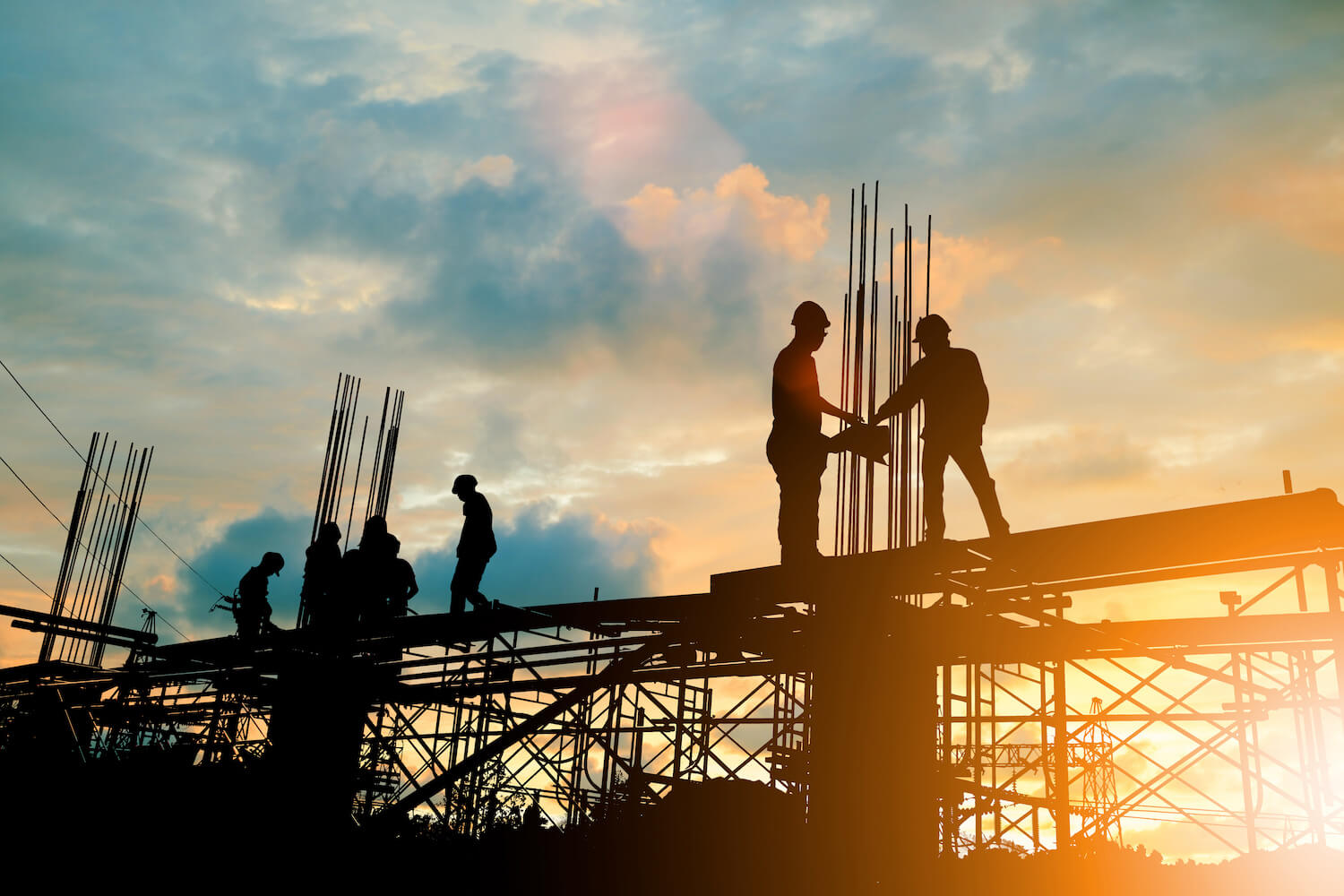
When people drive past a massive industrial construction site, they usually see cranes, steel, concrete, and crews hard at work. What they don’t see is the enormous amount of planning, coordination, engineering, safety management, budgeting, logistics, and problem-solving happening behind the scenes every single day.
At Brewer Construction Group, successful commercial and industrial construction projects across the Southeast are built long before the first piece of equipment ever arrives onsite. From pre-construction planning to final inspections, every stage plays a critical role in delivering projects on time, on budget, and built to last.
If you’re planning a manufacturing facility, distribution center, industrial plant expansion, warehouse, or large-scale commercial build in Georgia, Alabama, Florida, Tennessee, or the greater Southeast region, understanding the construction process can help you make smarter decisions and avoid costly delays.
The Pre-Construction Phase: Where Success Begins
One of the biggest misconceptions in industrial construction is that the project begins when excavation starts. In reality, some of the most important work happens months before ground is ever broken.
During pre-construction, experienced industrial contractors coordinate:
- Site evaluations
- Engineering reviews
- Budget forecasting
- Permitting
- Utility coordination
- Scheduling
- Risk assessments
- Material procurement
- Safety planning
For large commercial construction projects in the Southeast, pre-construction planning is especially critical because of regional factors like soil conditions, weather patterns, environmental regulations, and rapidly growing industrial development markets.
A strong pre-construction strategy helps owners avoid:
- Cost overruns
- Project delays
- Material shortages
- Permit issues
- Scope creep
- Scheduling conflicts
At Brewer Construction Group, detailed planning allows projects to move efficiently from concept to completion while minimizing disruptions and protecting the client’s investment.
Design Coordination: Turning Vision Into Reality
Once the project scope is established, collaboration between architects, engineers, project managers, and industrial contractors becomes essential.
This phase involves:
- Structural engineering
- Mechanical system coordination
- Electrical planning
- Plumbing and utility integration
- Building code compliance
- Value engineering
- Constructability reviews
In major industrial construction projects, even small design errors can create expensive downstream problems. That’s why experienced commercial contractors carefully analyze every detail before construction begins.
For manufacturing facilities and industrial plants throughout the Southeast, coordination is especially important because facilities often require:
- Heavy equipment foundations
- Specialized utility systems
- High-capacity electrical infrastructure
- Process piping
- Ventilation systems
- Loading dock integration
- Warehouse optimization
The goal is simple: eliminate surprises before construction begins.
Scheduling & Procurement: Managing Thousands of Moving Parts
Large-scale commercial construction requires exceptional coordination and logistics management.
Before crews arrive onsite, project managers are already handling:
- Long-lead material orders
- Equipment delivery timelines
- Steel fabrication schedules
- Concrete sequencing
- Subcontractor coordination
- Utility schedules
- Safety compliance planning
In today’s construction environment, procurement strategy is more important than ever. Supply chain delays can significantly impact timelines if materials aren’t ordered properly.
Industrial contracting companies across Georgia and the Southeast are navigating:
- Steel availability challenges
- Electrical equipment lead times
- HVAC system delays
- Escalating material costs
An experienced industrial contractor helps clients mitigate these risks through proactive planning and supplier relationships.
Site Preparation: Building the Foundation for Success
Once approvals are secured and materials are coordinated, physical construction begins with site development.
This stage may include:
- Land clearing
- Grading
- Excavation
- Soil stabilization
- Storm drainage installation
- Underground utilities
- Foundation preparation
For industrial construction projects in the Southeast United States, site conditions vary dramatically depending on location. Clay-heavy soils, water management requirements, and weather conditions all influence construction methods.
Proper site preparation is critical because every structure depends on the integrity of the foundation beneath it.
Structural Construction: The Project Starts Taking Shape
This is the phase most people recognize — steel rises, walls go up, and the facility becomes visible.
During structural construction, teams coordinate:
- Structural steel erection
- Concrete pours
- Roofing systems
- Exterior wall systems
- Framing
- Building envelope installation
Industrial and commercial construction projects require precise sequencing. Multiple trades often work simultaneously while maintaining strict safety standards and schedule requirements.
Strong project leadership during this phase ensures:
- Efficient workflow
- Minimal downtime
- Quality control
- Schedule adherence
- Safety compliance
For industrial facilities, warehouse construction, and manufacturing plants, timing and coordination are everything.
Mechanical, Electrical & Plumbing Systems (MEP)
Behind every successful commercial building is a highly coordinated network of systems that keep the facility operational.
MEP installation includes:
- Electrical infrastructure
- Lighting systems
- HVAC systems
- Plumbing systems
- Fire protection
- Compressed air systems
- Process piping
- Automation integration
In industrial construction, these systems are often far more complex than traditional commercial buildings.
For example:
- Manufacturing plants may require high-voltage power distribution
- Distribution centers may need advanced climate control
- Food-grade facilities may require specialized sanitary systems
- Industrial processing facilities often require custom mechanical systems
This phase demands experienced industrial contractors who understand operational efficiency and long-term facility performance.
Safety Management: The Most Important Jobsite Priority
At every stage of a major commercial construction project, safety remains the top priority.
Industrial construction sites involve:
- Heavy equipment
- Elevated work
- Electrical hazards
- Crane operations
- Confined spaces
- High-risk environments
Professional industrial contractors implement strict safety protocols including:
- OSHA compliance
- Daily safety meetings
- Equipment inspections
- Job hazard analyses
- Fall protection systems
- Site access control
- Ongoing training
A strong safety culture protects workers, keeps projects moving efficiently, and reduces costly incidents and delays.
Quality Control & Inspections
Before a project is completed, every system, structure, and installation undergoes detailed inspections and quality assurance reviews.
This process includes:
- Structural inspections
- Mechanical testing
- Electrical verification
- Code compliance reviews
- Punch list completion
- System commissioning
The objective is to ensure the facility performs exactly as intended while meeting all local, state, and federal requirements.
For industrial construction projects in the Southeast, experienced contractors understand regional codes, permitting requirements, and inspection standards that can impact project timelines.
Project Closeout & Final Turnover
The final phase of a major commercial construction project is often one of the most overlooked — but one of the most important.
Project closeout involves:
- Final walkthroughs
- Documentation delivery
- Warranty coordination
- Owner training
- Equipment manuals
- Final inspections
- Occupancy approvals
A professional industrial contractor ensures the owner receives a fully operational facility ready for long-term success.
Why Choosing the Right Industrial Contractor Matters
Major commercial and industrial construction projects require far more than labor and equipment. They require leadership, planning, communication, and experience.
Choosing the right industrial contractor can directly impact:
- Project timelines
- Budget performance
- Safety outcomes
- Facility functionality
- Long-term operational efficiency
At Brewer Construction Group, our team understands the complexities of industrial and commercial construction throughout the Southeast United States. From manufacturing facilities and distribution centers to industrial expansions and large-scale commercial projects, we help clients navigate every stage of the construction process with confidence.
Partner With Brewer Construction Group
If you’re planning a commercial or industrial construction project in Georgia, Alabama, Tennessee, Florida, or anywhere in the Southeast, partnering with an experienced construction team is one of the most important decisions you can make.
Brewer Construction Group delivers:
- Industrial construction expertise
- Commercial contracting solutions
- Design-build services
- Site development
- Project management
- Safety-focused execution
- Reliable scheduling and budgeting
Contact Brewer Construction Group today to discuss your next industrial or commercial construction project and discover how expert planning behind the scenes leads to exceptional results in the field.